
Design for Manufacturing: turning a concept into a manufacturable product
We translate ideas, sketches, prototypes and 3D models into geometry, materials, parts, joints, processes and documentation that suppliers can evaluate, quote and manufacture.
When design for manufacturing is useful
This service is designed for projects that already have an idea, rendering, prototype or 3D model but still need to resolve how the product will be made. We review the intended use, expected quantity, budget, supply chain and maturity of the design before defining technical changes.
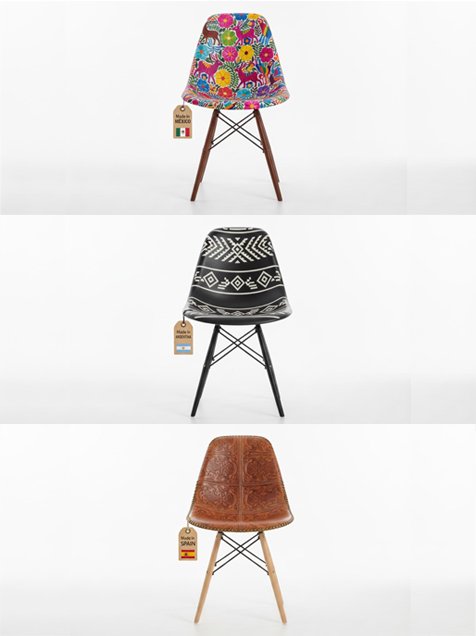
Geometry, materials and process must be defined together
Geometry and architecture
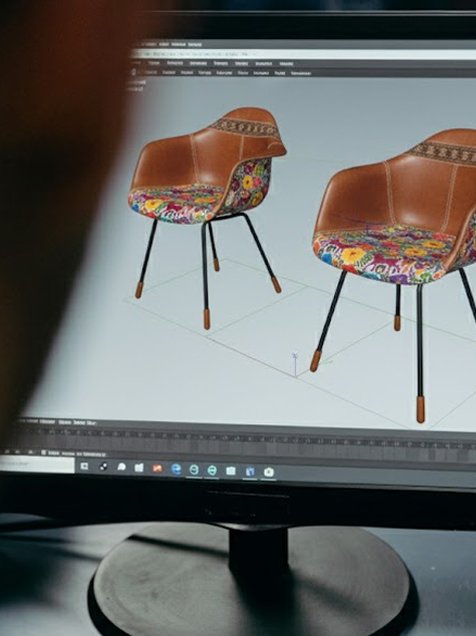
We review wall thickness, radii, draft, tool access, undercuts, supports, part separation and assembly order. A shape that works in a rendering may require a different architecture when tooling, maintenance or assembly are considered.
Materials and processes
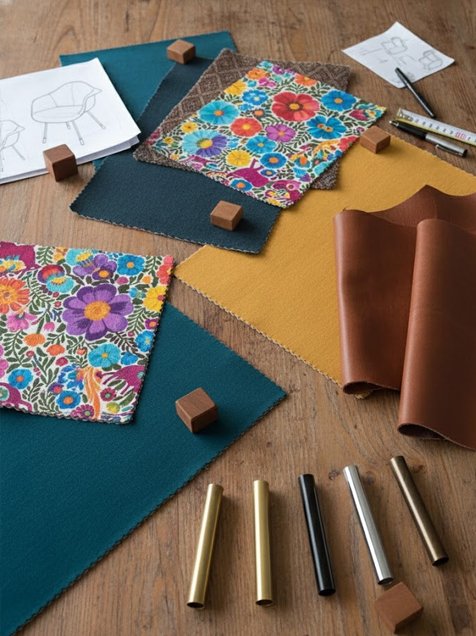
Material is evaluated through function, loads, finish, maintenance, availability and scale. CNC machining, additive manufacturing, sheet metal, wood, thermoforming or injection moulding impose different conditions. We compare them before freezing the model.
Quantity changes the design decision
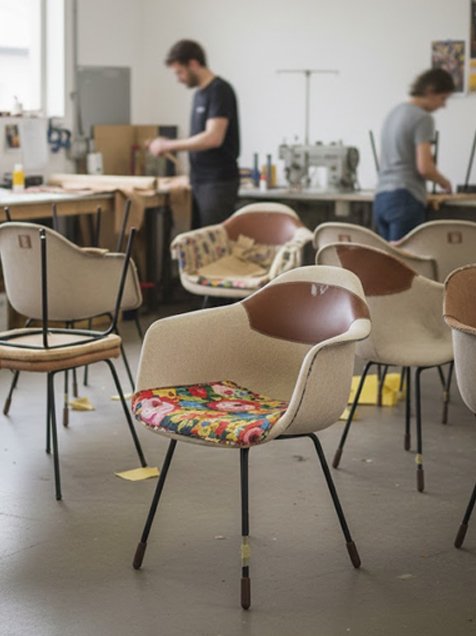
A low-volume machined part and a high-volume injection-moulded part may perform the same function but require different geometry, investment and documentation. We compare tooling, unit time, minimum orders, expected changes, finish and repeatability. There is no universal tolerance: functional tolerances are defined according to material, process, supplier and interface.
From model to technical package
Depending on the next step, the package may include 3D files, drawings, bill of materials, finishes, functional tolerances, standard components, assembly sequence and inspection criteria. Documentation for an early supplier comparison is not identical to documentation for a validated production process, so scope is agreed before issuing final files.
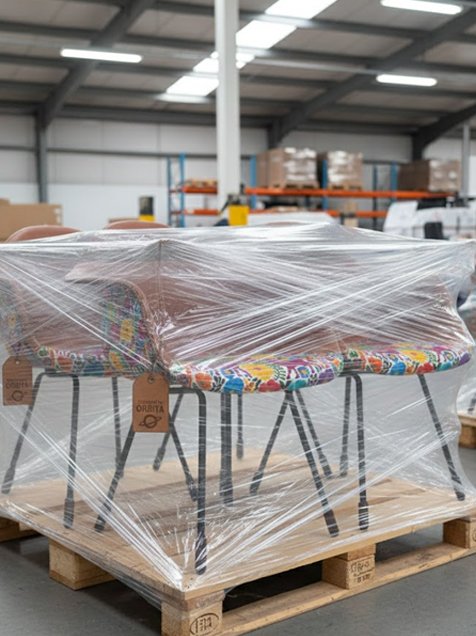
Related services: Product Feasibility Study, Product Development and Product Design & Prototyping.
Frequently asked questions
Is a 3D model enough for quotation?
Sometimes it supports an initial estimate, but comparable quotations also require quantity, material, finish, assumptions and functional requirements. A visual model may hide unresolved joints or tool access.
CNC, 3D printing or injection moulding?
The answer depends on geometry, material, quantity, finish, initial investment and repeatability. We evaluate the process within the project context rather than selecting it through a fixed rule.
Does this guarantee mass production?
No. The work prepares the product for quotation, prototyping or productive validation according to its maturity. Final performance depends on testing, supplier capability, tooling and quality control.
A manufacturing-oriented development sequence
1. Review the starting point
We examine the intended function, user, current files, prototypes, quantity, target market, budget and unresolved assumptions. The goal is to understand which decisions affect the next supplier conversation.
2. Select candidate processes
Several processes may be technically possible, but they differ in tooling, cycle time, achievable finish and design constraints. We compare realistic options and identify what information a supplier must confirm.
3. Adapt parts and assembly
We adjust part architecture, interfaces, fasteners, standard components, service access and assembly sequence. Where useful, the design is separated into modules so that manufacturing, maintenance or later changes can be managed more clearly.
4. Prototype and release information
Critical assumptions are tested at the appropriate level. After documented adjustments, files and specifications are released for supplier review, prototype construction or a production-validation stage.
Local manufacturing and international coordination
Órbita works across Argentina, Spain and Mexico. Design decisions can be coordinated internationally while manufacturing is adapted to the capabilities, materials and standards available near the project market. Local production may improve communication and iteration, while an international supplier network can provide additional processes or components when the project requires them.
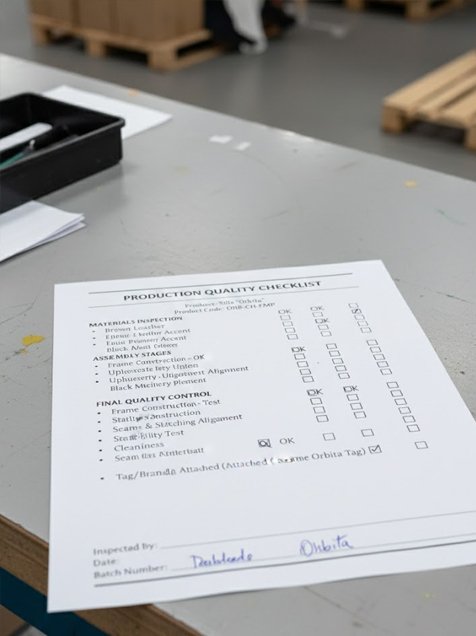
Supplier selection is not based only on unit price. We also review minimum order, tooling ownership, lead time, quality controls, replacement capacity, logistics and how technical questions will be resolved. These criteria help the client compare proposals that may otherwise appear similar but include different assumptions.
Do you need to turn a model into something manufacturable?
Tell us what stage the project is in, the expected quantity and where it needs to be manufactured. We will define what information, prototype or supplier evaluation is needed next.
Manufacturing decisions depend on scale
A geometry that is reasonable for machining or additive manufacturing may require different wall thicknesses, draft angles, part divisions or investment when transferred to moulding. Quantity, tooling and expected changes must therefore be considered together.
Tolerances and interfaces
Tolerances are defined according to function, material, process and supplier capability. Critical interfaces, fits, fasteners and assembly sequences receive priority; universal values are avoided.
Information for supplier quotations
Manufacturers need more than a render. A useful quotation package may include quantities, revision-controlled drawings, 3D files, materials, finishes, critical dimensions, components, assembly expectations, quality criteria and delivery context.
Supplier feedback as design input
Quotations and technical reviews may reveal alternative stock sizes, tooling constraints or process changes. These findings are evaluated against the original requirements before updating the design.
Design for manufacturing FAQ
Can an existing CAD model be reviewed?
Yes. The review focuses on the intended process, scale and unresolved production information.
Does DFM guarantee a final price?
No. It improves the definition used for quotation; commercial prices remain dependent on suppliers, timing and market conditions.