
Industrial product development with an international approach
We design and develop physical products by combining global design standards, engineering criteria and local manufacturing adapted to each market.
We work with entrepreneurs, SMEs and technical teams to turn a need into product requirements, alternatives, prototypes and manufacturing information that can be evaluated.
We study your request and the real constraints behind it, turning initial ideas into alternatives that can be compared against user, technical and manufacturing requirements.
Our international team works from multiple perspectives, testing and refining prototypes to evaluate function and feasibility while integrating technical, user and manufacturing requirements.
We build the supply chain where the project will be produced, coordinate local manufacturing and manage batch delivery according to the agreed scope, scale, supplier capacity and validation stage.
International approach, local manufacturing
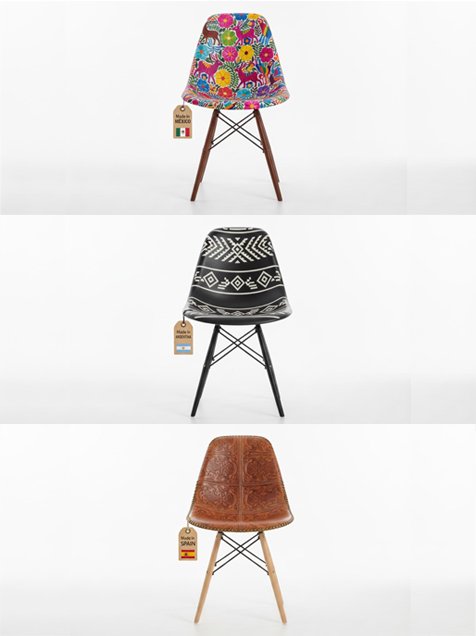
Concept exploration
We generate ideas and solutions from different cultural perspectives
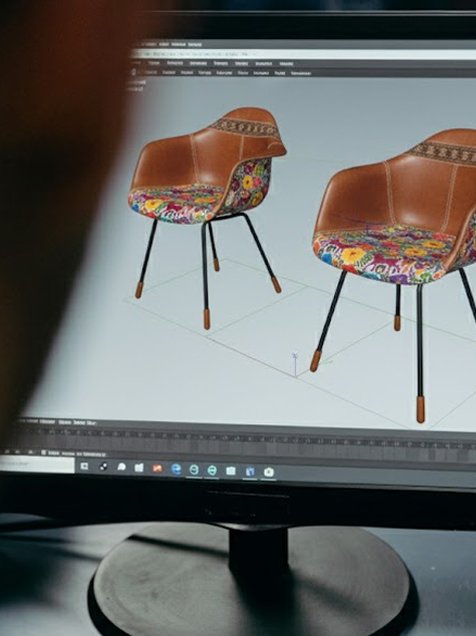
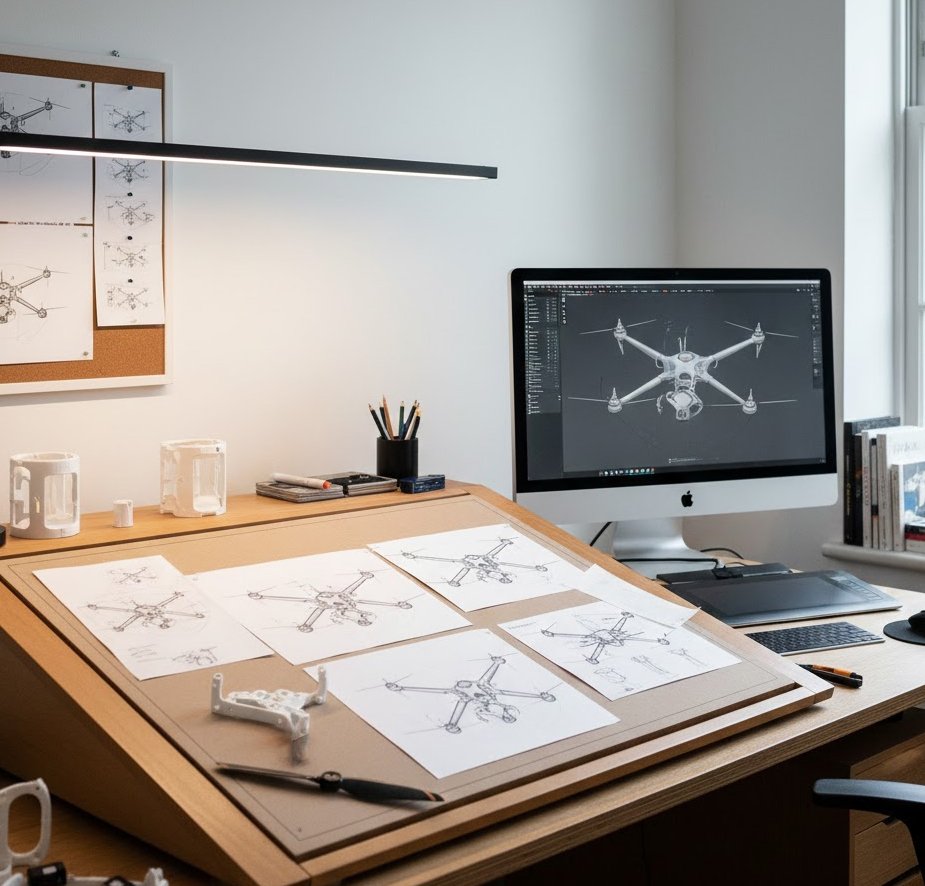
Sketching and 3D modelling
We develop visual proposals and three-dimensional models to evaluate alternatives.
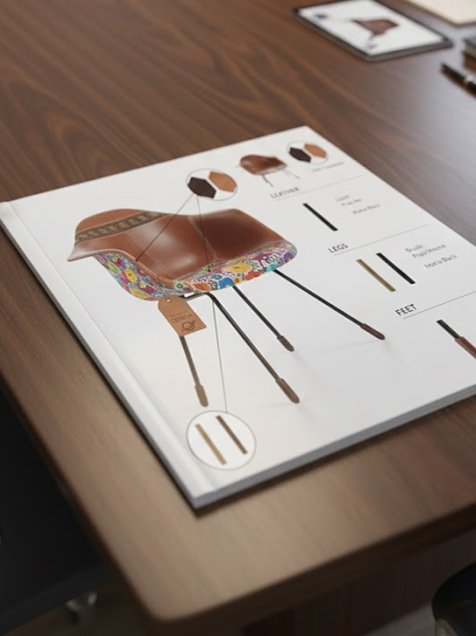
Outcome and design direction
We deliver proposals that address the project requirements and establish a clear design direction.
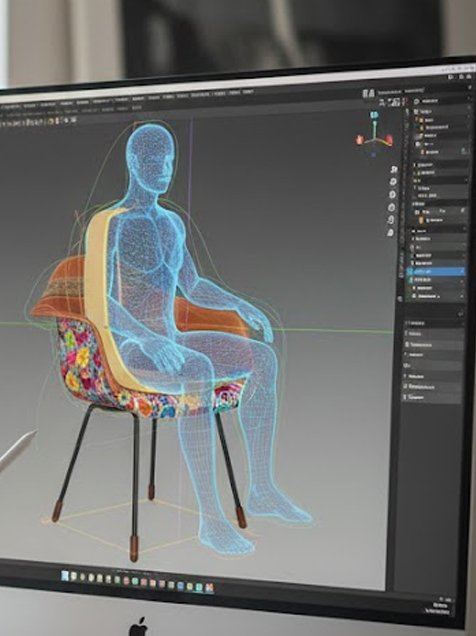
Function and form
We define geometry according to the functions the product must perform.
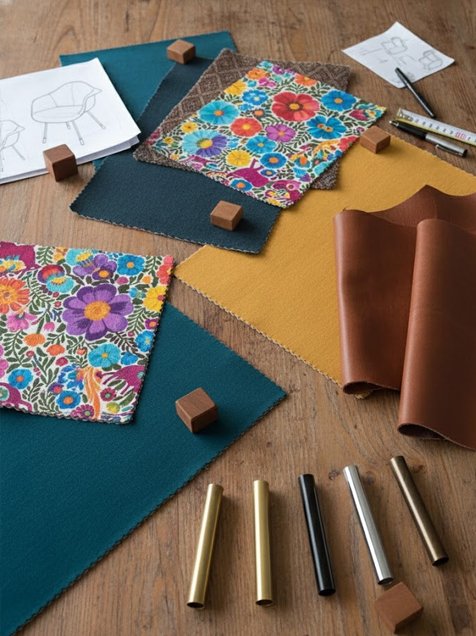
Materials
We assess and select the materials that best meet functional and manufacturing requirements.
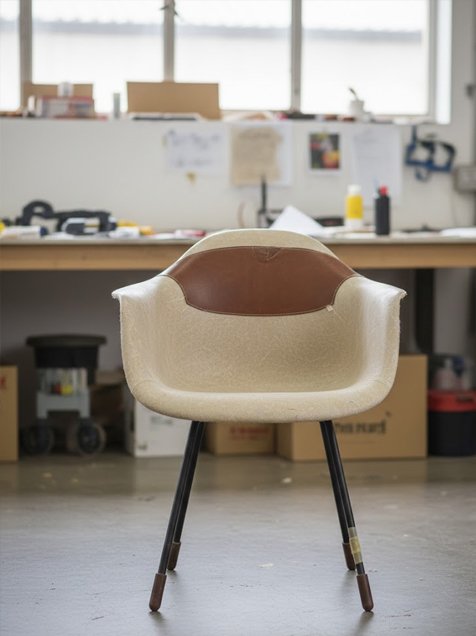
Outcome and prototype
A physical prototype is used to validate the product development.
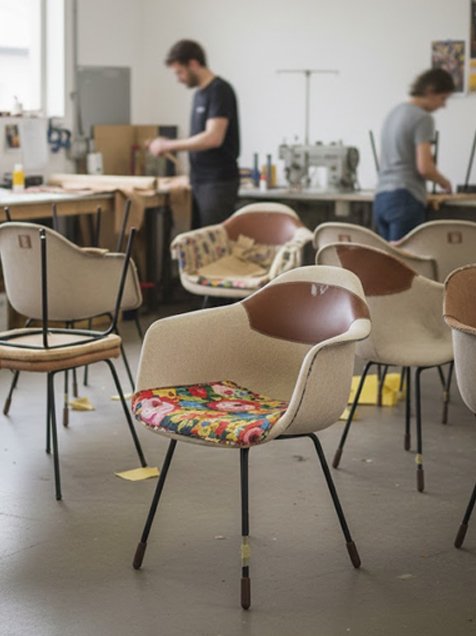
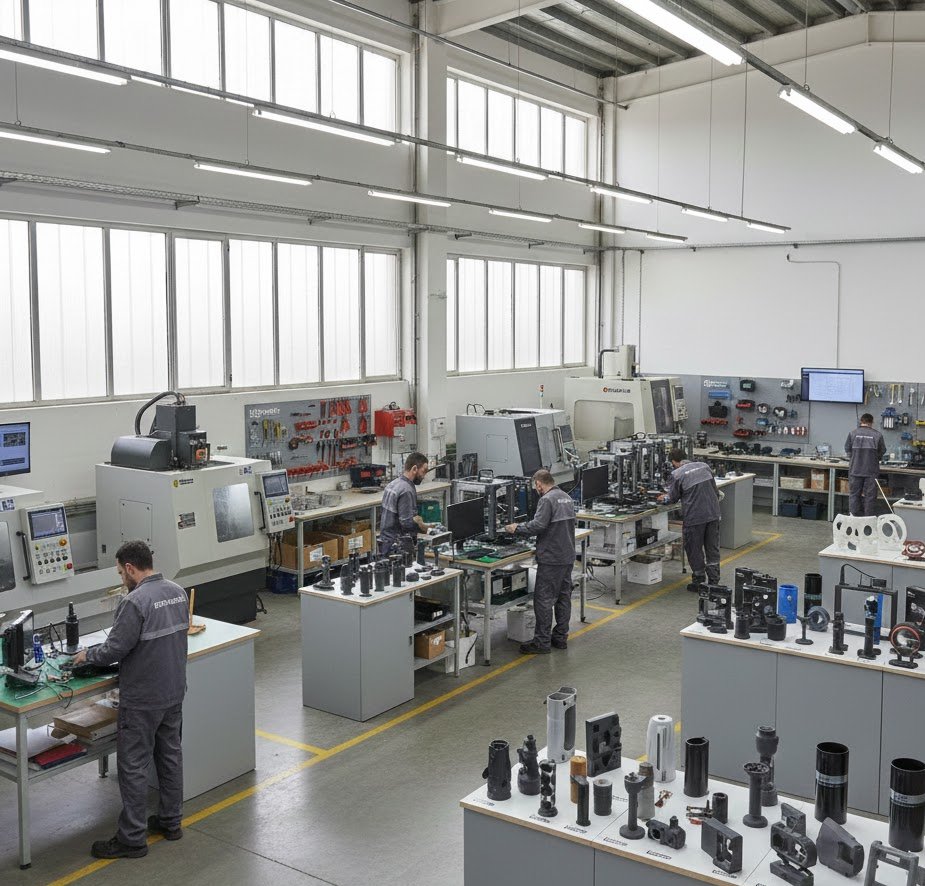
Process and scale
We define and coordinate processes suited to the project scale and supplier capacity.
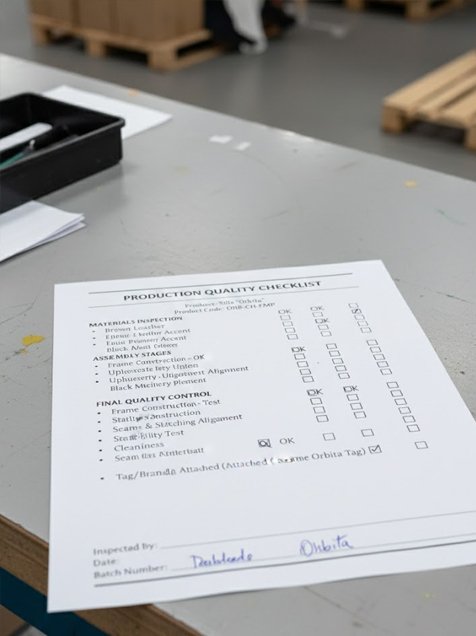
Local manufacturing
We evaluate and coordinate a local supply chain when it is appropriate for the process, quantities and final market.
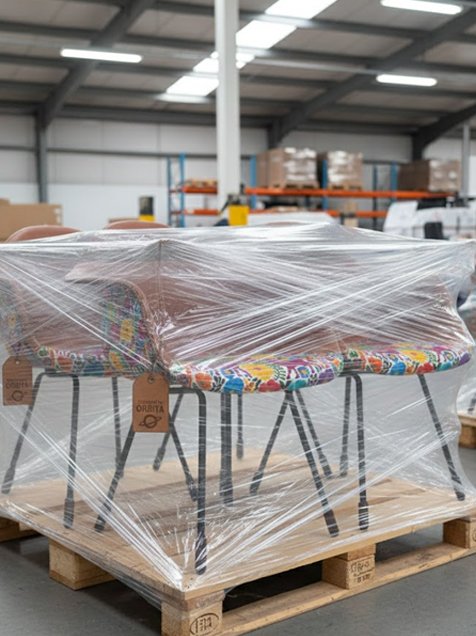
Outcome and delivery
We coordinate final batch delivery together with the client.
What types of products we develop
We develop functional and decorative products, technical solutions and objects for specific campaigns or brand activations. We define the right product type, scale, materials and manufacturing process for each case.
This service is designed for:
Entrepreneurs, SMEs, agencies, brands and companies seeking to develop or improve physical products with an industrial approach.
Entrepreneurs
Who need to create a new product or advance an existing idea.
SMEs
Looking to launch or improve existing products.
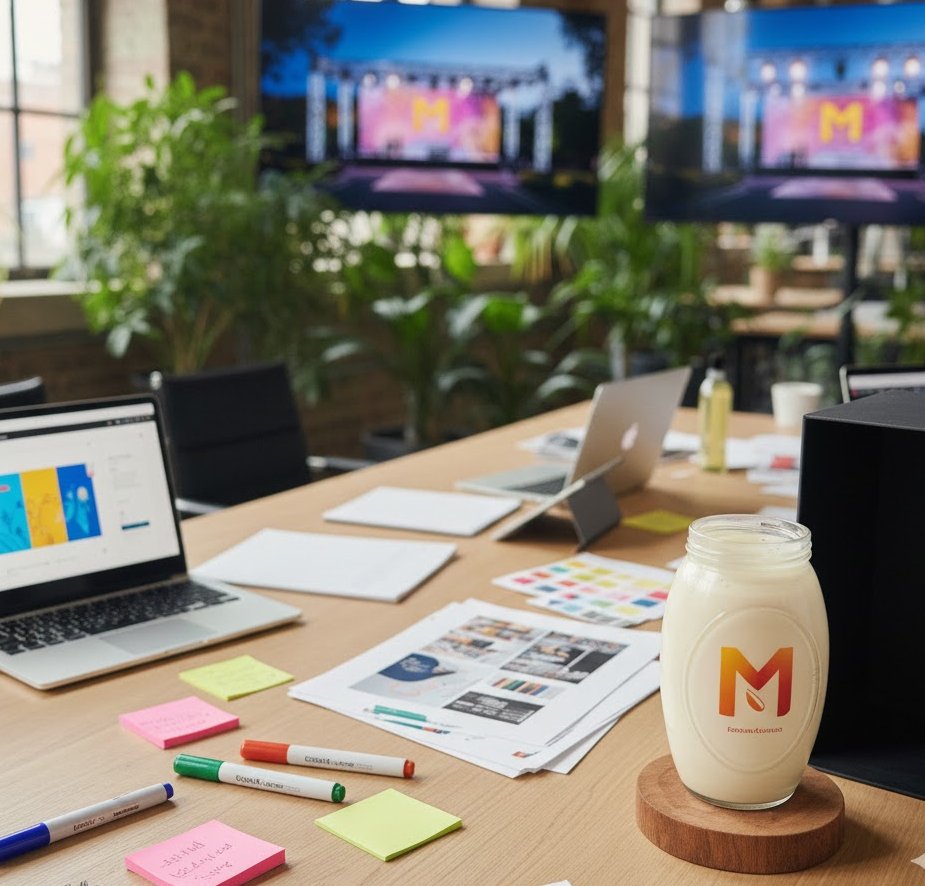
Agencies
Needing custom objects for an event, campaign or activation.
Companies
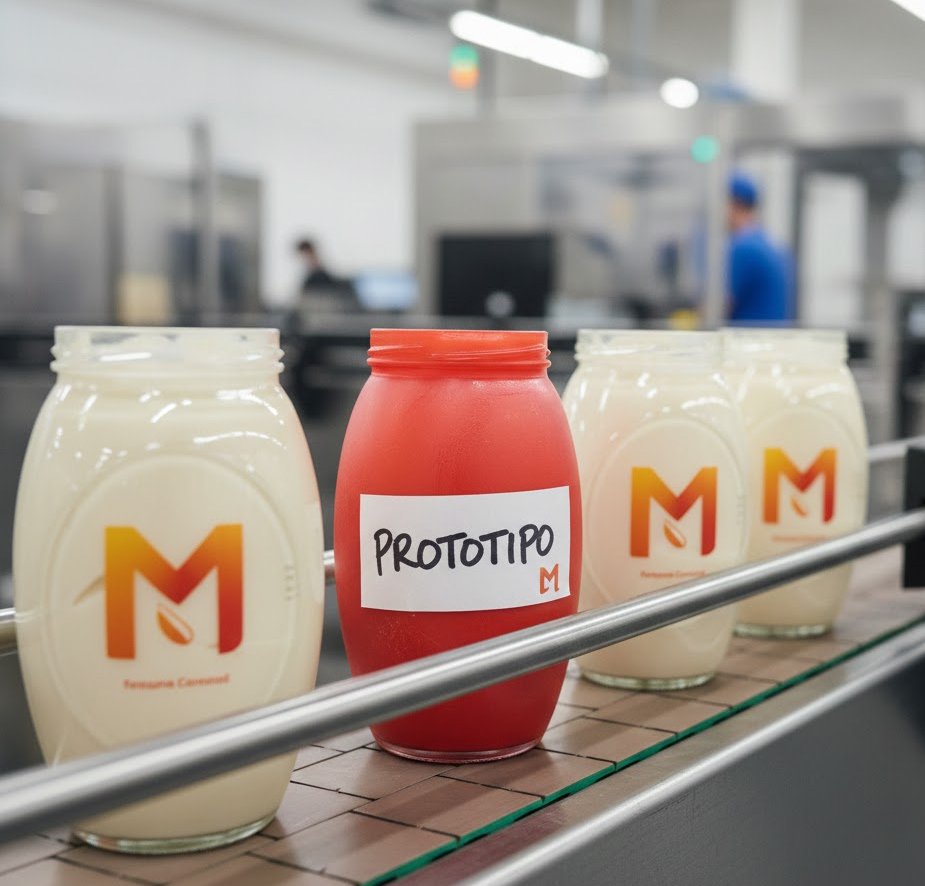
Needing to validate a product or idea at a smaller scale.
Why develop your product with Órbita
Ready to develop your product?
Tell us about your project and we will identify the decisions, evidence and next steps needed to develop it as an industrial product.
How we develop a physical product
Product development is not a straight line from an idea to a factory. It is a sequence of decisions that reduces uncertainty before committing more time, investment or tooling.
Problem and requirements
We define user, context, function, constraints and measurable criteria. Mandatory, desirable and negotiable requirements are separated so design decisions can be evaluated rather than defended by preference.
Alternatives and evaluation
We compare architectures, mechanisms, materials, processes and standard components through use, ergonomics, maintenance, scale, investment and supplier availability.
Prototype, test and adjustment
The prototype is selected according to the question: volume, interaction, ergonomics, mechanism, material, assembly or finish. Results and limits are documented so every iteration has a clear purpose.
Preparation for manufacturing
When the solution reaches sufficient definition, we review geometry, parts, joints, functional tolerances, files, drawings, suppliers and control criteria according to process and quantity.
Related decisions
Start with a feasibility study, continue with prototyping, and translate a defined model through design for manufacturing.
Frequently asked questions about product development
When should a development project begin?
When the need, opportunity or problem is clear enough to define requirements and compare alternatives. If critical information is still missing, the first stage can focus on research and feasibility rather than detailed modelling.
Is a finished 3D model required?
No. Work can begin with a brief, references, sketches, samples or an existing product. A 3D model supports decisions but does not replace the definition of users, function, constraints and manufacturing context.
Does product development include manufacturing?
The scope is agreed for each project. It can include definition, design, prototypes, documentation, supplier coordination and production support. Manufacturing depends on quantities, process, tests and available capacity.
How does international coordination work?
Design and specialist input can be coordinated across Argentina, Spain and Mexico, while manufacturing is evaluated close to the intended market when appropriate. The route depends on process, logistics, suppliers and project stage.
Decisions that shape a manufacturable product
Product development is not a linear styling exercise. Requirements, use conditions, ergonomics, materials, components and production volume interact. We make those relationships explicit so alternatives can be compared before detailed modelling or tooling.
From assumptions to requirements
Statements such as “easy to use” or “robust” are translated into observable conditions: who uses the product, in which environment, how it is handled, cleaned, assembled, transported and maintained. This creates a shared basis for design and testing.
Alternatives and evidence
Concepts are evaluated against the same criteria. Evidence may come from mock-ups, supplier feedback, component availability, regulatory research, cost ranges or user tests. Unresolved assumptions remain visible instead of being presented as confirmed facts.
Preparation for manufacturing
Depending on scope, deliverables may include 3D files, drawings, material specifications, assembly logic, component lists, prototype records and quality criteria. Documentation is adapted to the selected process, supplier and scale.
Product development FAQ
Is the first concept taken directly to production?
Usually not. Alternatives and critical assumptions should be evaluated before committing to tooling or a production batch.
Can Órbita coordinate local suppliers?
Yes, when included in the scope. Supplier coordination depends on geography, process, quantities and the client’s commercial requirements.