
Órbita
product feasibility | technical validation | manufacturing strategy
Validate the product before investing in development
Órbita evaluates product opportunities through an international network of designers, engineers and manufacturers, with local production insight from Spain, Argentina and Mexico.
At Órbita, we are an international industrial design collective with teams in Argentina, Mexico and Spain. We assess, design and develop physical products through an integrated feasibility process, combining technical, manufacturing and commercial criteria before major investment decisions.
Global Design. Local Manufacturing.
Our approach follows one central principle: combine global expertise with efficient local execution, so each product proposal is technically sound, manufacturable and relevant to its market.
We tailor the scope to the maturity, risks and production context of each project.
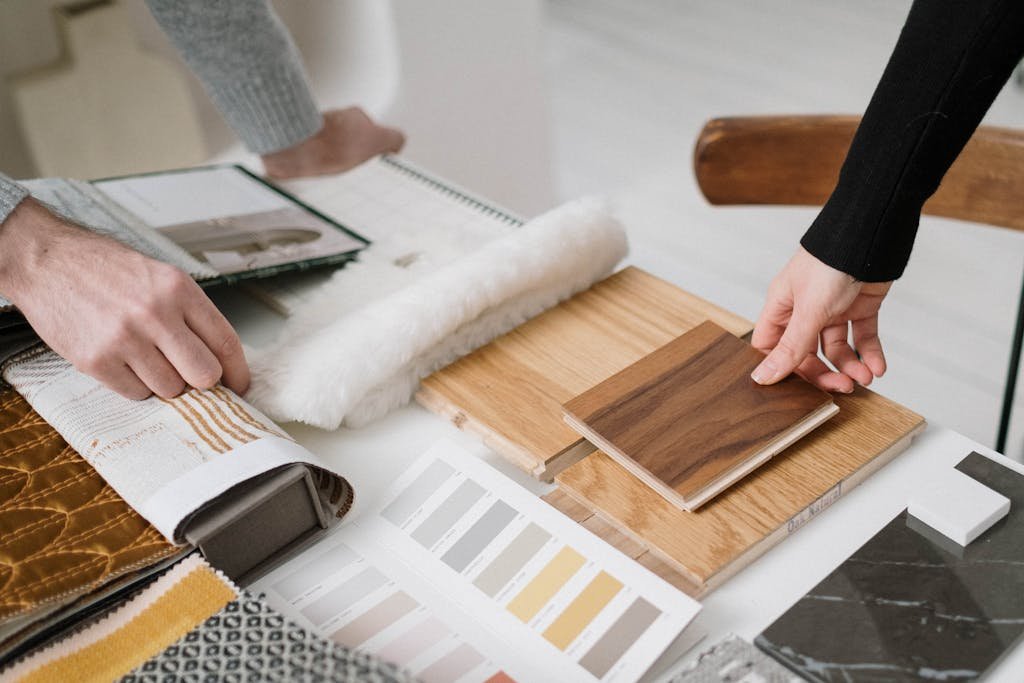
Project assessment
Every project begins with a clear definition of the problem, intended user, requirements, business constraints and possible production routes.
Includes:
Assessment of use, technical feasibility and production context
Collaboration with specialists from relevant disciplines
Value:
A focused evaluation adapted to the actual decision the client needs to make
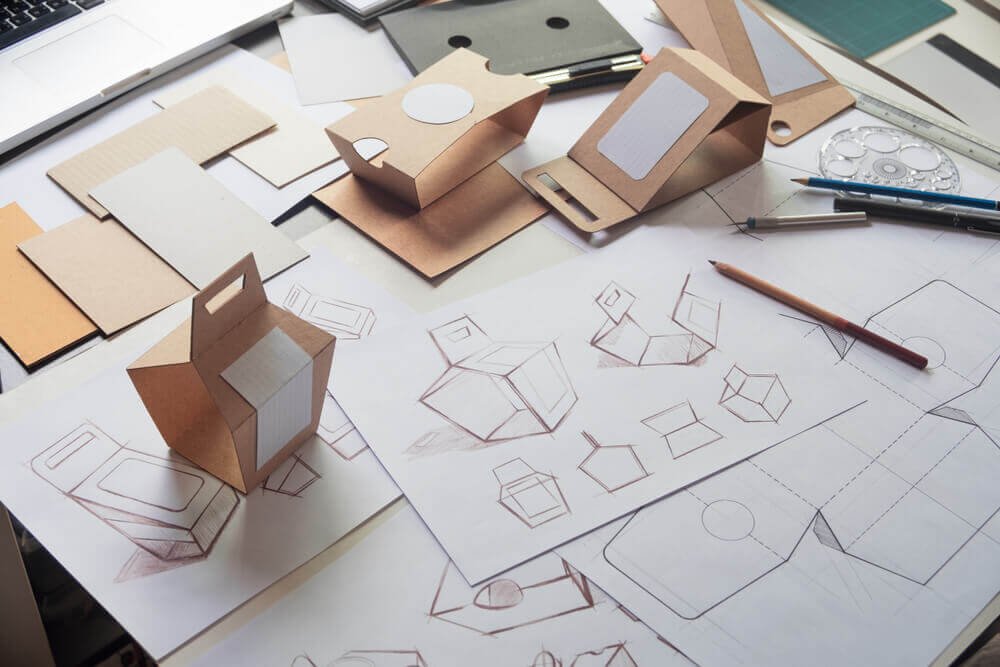
Concept and development review
We compare product concepts by integrating function, materials, manufacturing processes, assembly, use and expected performance.
Includes:
Industrial and technical design focused on production
Selection and validation of materials and processes
Digital and physical prototype iterations
Value:
A clearer path from concept to a manufacturable solution
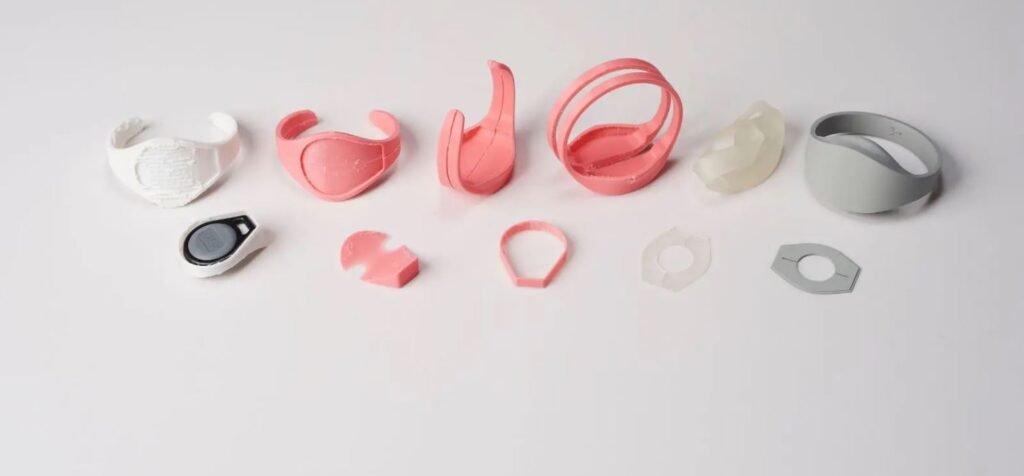
Prototyping and validation
Prototypes turn assumptions into evidence. We use functional or pre-production prototypes to test critical criteria, identify risks and refine the product before production.
Includes:
Physical prototypes for use and assembly testing
Technical documentation
Material specifications
Production standards
Value:
This approach reduces manufacturing errors and supports an informed go, revise or stop decision.
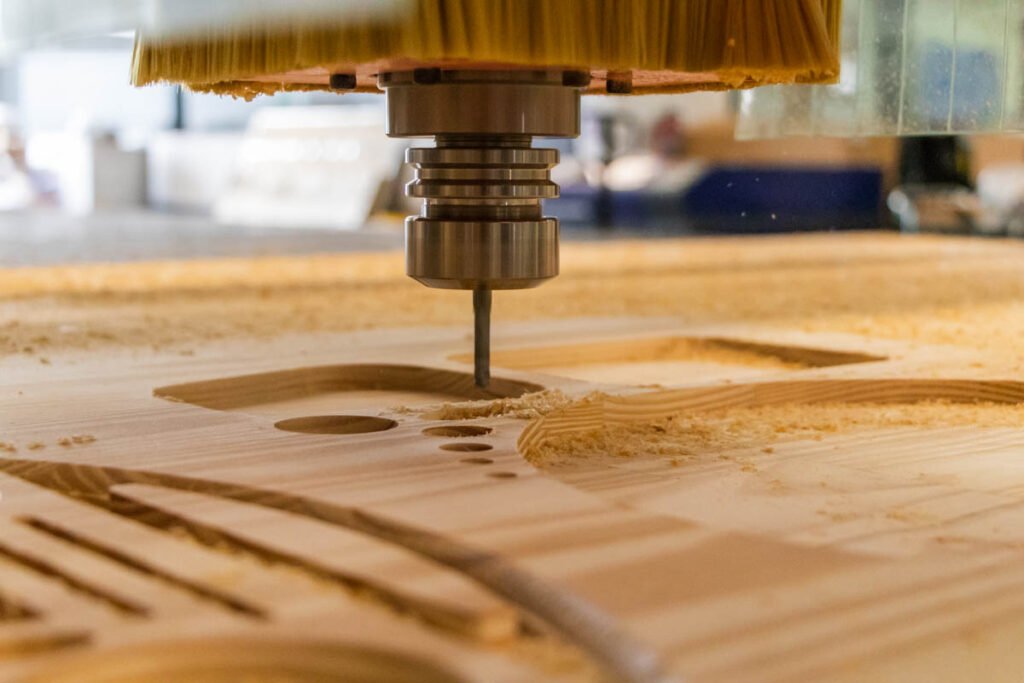
Manufacturing feasibility
We map the production chain according to required quantities, quality targets, tooling, suppliers, logistics and local market conditions.
Includes:
Coordination with local workshops and suppliers
Cost, timing and process optimization
Production planning and quality checkpoints
Value:
A realistic manufacturing route can improve coordination and help reduce execution risk, depending on the selected process, scale and suppliers.
What the feasibility study delivers
The study connects the evidence needed to decide how — and whether — to move forward:
What can you decide with this study?
The Órbita feasibility methodology is a clear, integrated process for evaluating product opportunities before committing to full development. It combines international collaboration, in-depth technical analysis, targeted prototyping and manufacturing insight to define solutions that are not only well designed, but feasible, efficient and ready for a responsible next step.

What a product feasibility study must evaluate
A feasibility study connects the intended use of a physical product with the technical, productive and commercial conditions required to move forward. It does not guarantee market success. Its purpose is to make assumptions, constraints and risks visible before major development or tooling decisions are made.
Function, users and ergonomics
We define what the product must do, who will use it, under which conditions and which dimensions or interactions are critical. Requirements are classified as mandatory, desirable or negotiable so that alternatives can be compared consistently.
Materials, processes and components
We evaluate material properties, finishes, maintenance, standard components, manufacturing processes and assembly strategies. The expected quantity and available supply chain can change which option is reasonable.
Investment, suppliers and logistics
Initial tooling, variable cost, minimum orders, supplier capability, quality control, packaging, transport and replacement parts are considered together. Early estimates are treated as scenarios until specifications and suppliers provide enough evidence.
Regulation, testing and risk
Applicable standards, specialist reviews and test requirements are identified according to the product and market. When uncertainty cannot be resolved through documentation, we define the prototype or experiment needed to obtain useful evidence.
Possible outcomes of the feasibility process
The outcome is not always permission to continue unchanged. A useful study may recommend moving forward, modifying requirements, simplifying the architecture, dividing the project into stages, changing materials or processes, validating one assumption through a prototype, or discarding an alternative that does not support the project goals.
The next step can connect with product development, product design and prototyping, or design for manufacturing, depending on what still needs to be defined.
Frequently asked questions
When should feasibility be studied?
When the need or concept is clear enough to discuss, but important decisions about function, dimensions, mechanisms, materials, quantities, investment, regulation or suppliers remain open.
Does feasibility include the complete design?
Not necessarily. It defines requirements, compares alternatives and identifies what should be tested. Detailed development, engineering documentation and validation prototypes are scoped according to the selected direction.
Can manufacturing cost be confirmed at this stage?
Ranges and scenarios can be developed, but a comparable quotation requires sufficient specifications, quantities and supplier input. We distinguish an early estimate from a production quotation.