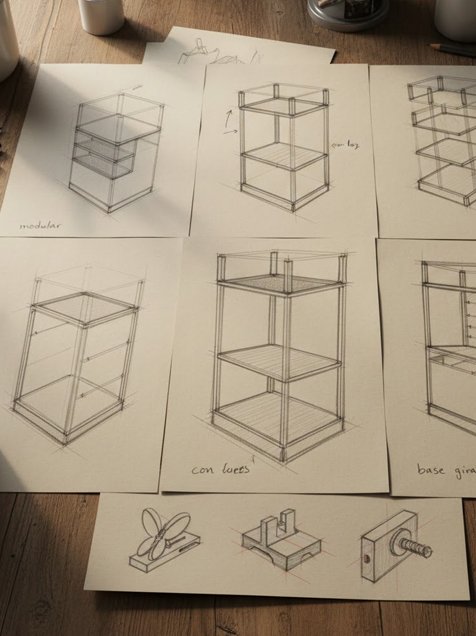

What Documentation Does a Manufacturer Need to Quote?
A clear quotation package makes scope, quantity and assumptions comparable.
The problem with an incomplete request
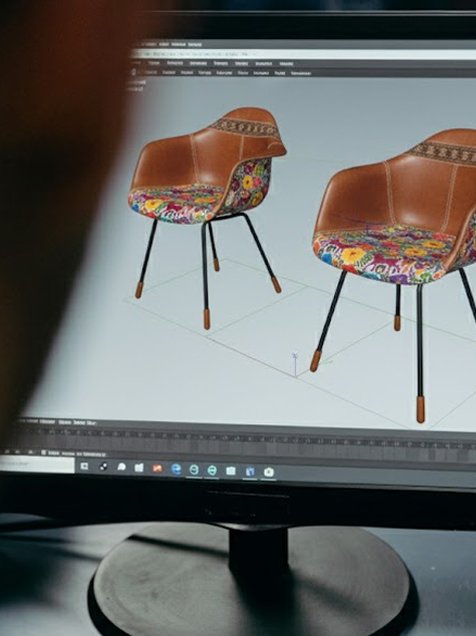
A render or a 3D model rarely contains everything a supplier needs. Without material, quantity, finish, tolerance, assembly and delivery requirements, quotations may rely on different assumptions. The prices then look comparable even when the proposed scopes are not.
Quotation documentation does not need to be excessive. It needs to remove the ambiguities that materially affect process, tooling, inspection and lead time.
Minimum quotation package
Product definition
- Dimensioned drawings.
- 3D files in agreed formats.
- Materials and acceptable alternatives.
- Critical and reference dimensions.
- Finishes, colour and visible surfaces.
Commercial context
- Prototype and production quantities.
- Expected annual demand.
- Tooling ownership and life.
- Assembly and packaging scope.
- Inspection, delivery and quotation validity.
Specify what is critical
Not every dimension needs the same tolerance. Mark functional interfaces, sealing faces, alignment points, safety features and visible surfaces. Separate mandatory requirements from preferences so suppliers can propose viable alternatives without changing the product intent.
Include a revision code and a list of files. When a question changes the scope, record the answer and distribute the same update to every supplier.
Educational example: a small equipment enclosure
Educational example, not a client case. Three suppliers receive only a visual model and return prices with different materials and finishes. The team prepares a revised package: sheet thickness range, bend radii, powder-coat specification, annual quantities, fasteners supplied by the manufacturer and two critical interface dimensions.
The new quotations state tooling, unit price, finishing and lead time separately. This does not guarantee the lowest cost; it makes the proposals technically comparable and exposes remaining decisions.
FAQ
Is a STEP file enough?
It may define geometry, but it usually does not define tolerances, finish, quantity, quality requirements or commercial scope.
Should target cost be disclosed?
When appropriate, a target range can help evaluate alternatives, but it should not replace a clear technical scope.
Can suppliers suggest changes?
Yes. Ask them to identify each proposed change and its effect on price, lead time or performance.
Prepare a product for a clear manufacturing quotation
Órbita connects product definition, documentation and supplier dialogue.