
How to Choose Materials and Manufacturing Processes by Scale
Function, quantity, investment and supply chain must be evaluated together.
Material and process are one decision
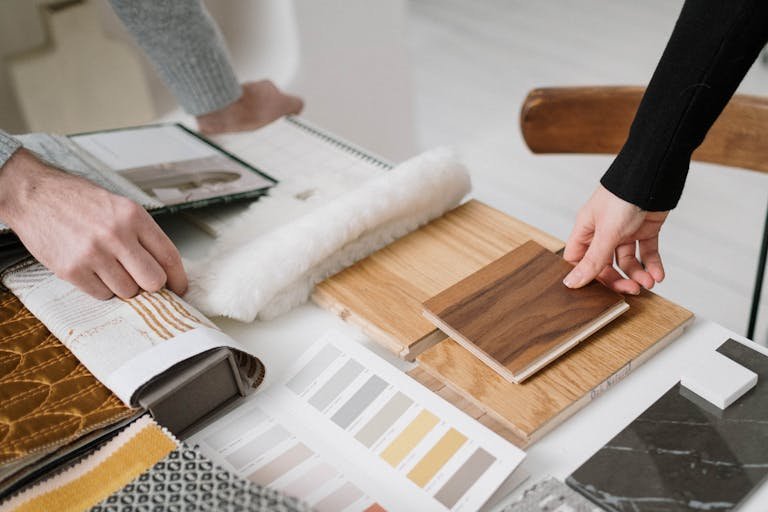
Selecting an “ideal” material before considering manufacturing can create incompatible costs, lead times or geometry. Each process supports different material families, wall thicknesses, radii, finishes and tolerances. Scale adds another constraint: a suitable solution for ten units may be unsuitable for one thousand.
Start with function: loads, temperature, chemical exposure, user contact, product life, maintenance and appearance. Then compare how each material–process combination performs within the expected volume.
Different scales, different questions
Prototype and short run
Which property must the prototype represent? Can dedicated tooling be avoided while the design is still changing?
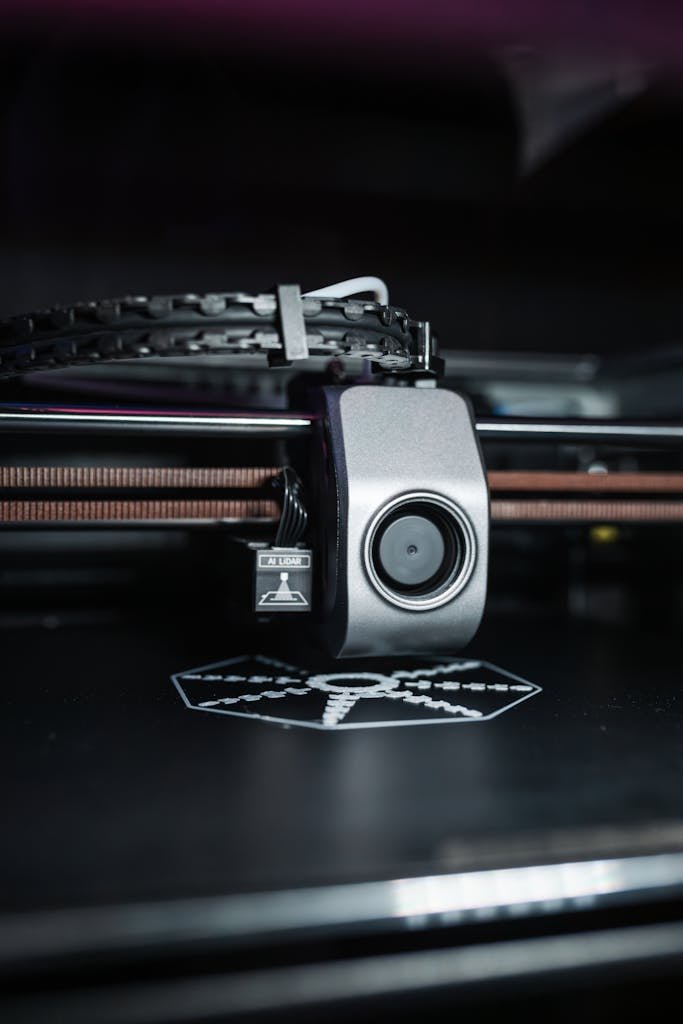
- 3D printing
- CNC machining
- Sheet fabrication
- Manual or hybrid processes
Medium and high volume
Which fixtures, tooling and controls reduce variation? Is the design stable enough for repeatable production?
- Injection moulding
- Forming and stamping
- Automated assembly
- Process-specific quality control
A practical decision matrix
- Mechanical and environmental performance.
- Geometry, size and wall thickness.
- Batch size and annual demand.
- Upfront and recurring investment.
- Supplier capability and availability.
- Finishing, assembly and maintenance.
- Regulatory and traceability needs.
The matrix does not automate the choice. It makes trade-offs visible and helps remove incompatible alternatives before investment.
Educational example: an equipment bracket
Educational example, not a client case. A bracket must resist moderate impact and the first run is 30 units. Folded sheet, machined aluminium and injection-moulded polymer are compared. Sheet fabrication requires limited tooling, allows adjustment and uses accessible suppliers. Injection moulding may integrate functions, but tooling is not yet justified.
The team selects sheet for the initial run and records loads, fastening points and assembly time. If demand grows, those results support a new process comparison.
FAQ
Must the prototype use the final material?
Only when the test depends on properties that must be representative.
Can scale change the geometry?
Yes. Wall thickness, joints, radii, draft and part division often change with the process.
Compare materials and processes before committing investment
Órbita develops manufacturing scenarios linked to requirements, scale and suppliers.