Visual vs Functional Prototype: What Each One Validates
Technical decisions become useful when they are connected to requirements, evidence and the intended manufacturing context.
The problem
Teams often build a prototype before defining the decision it must support. The result may look convincing but provide little evidence about use, assembly or performance.
Context and analysis
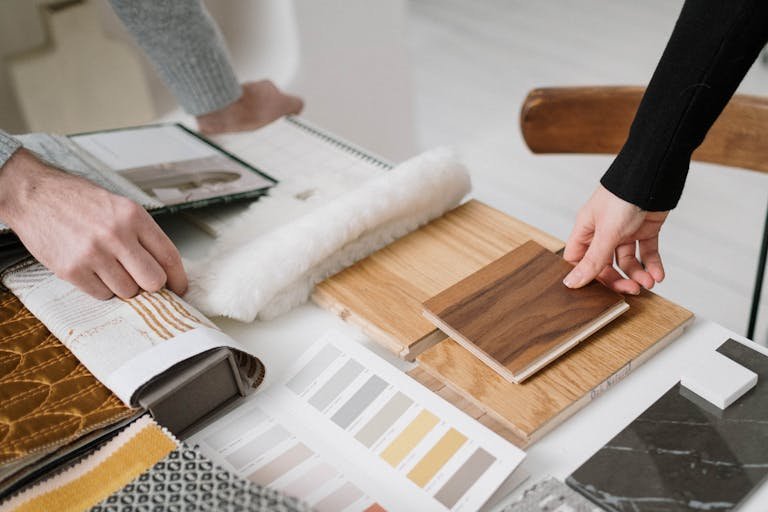
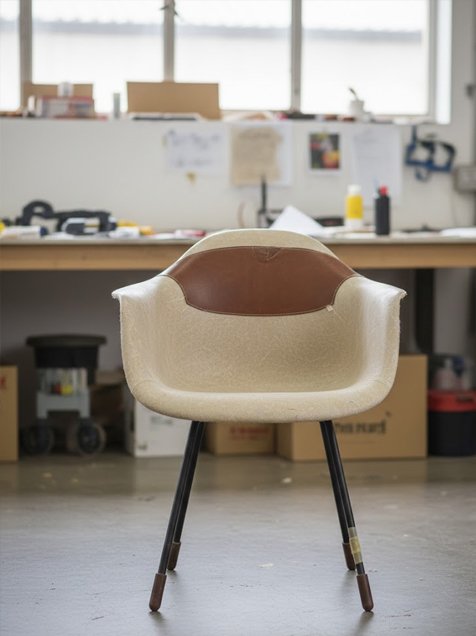
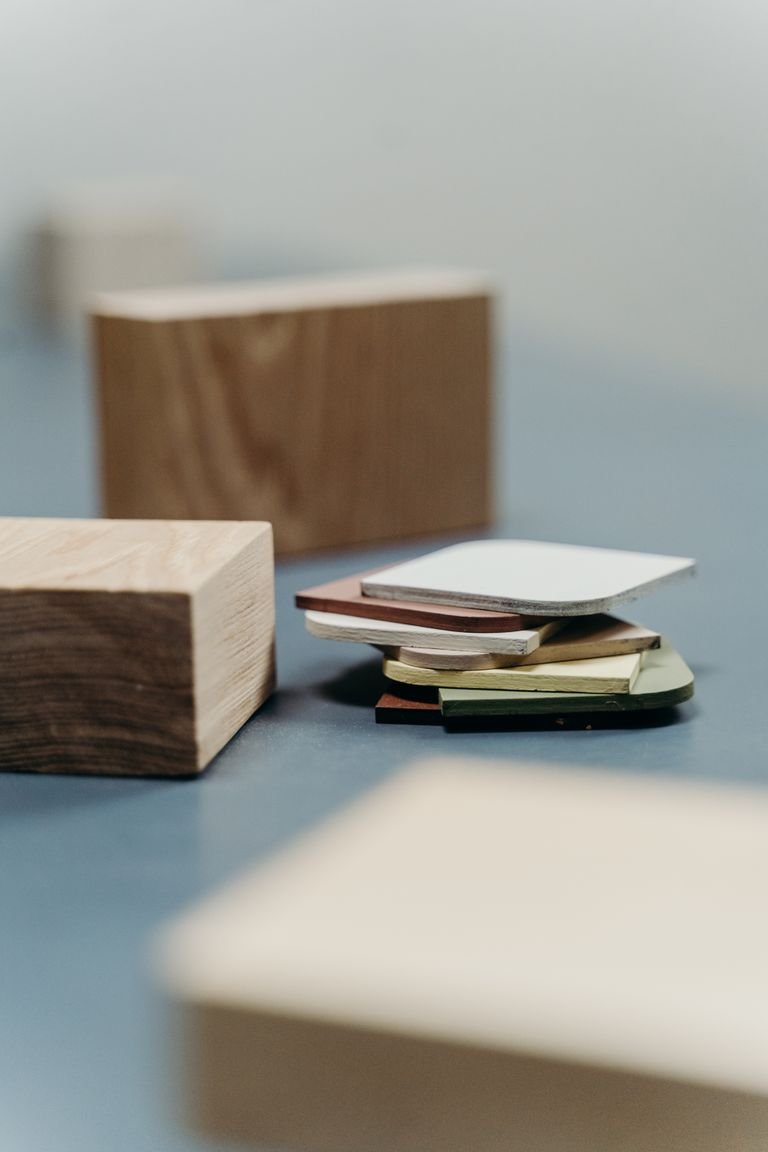
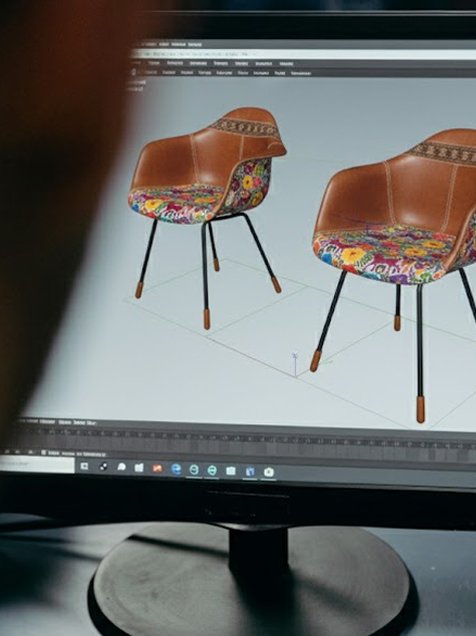
A visual prototype explores proportion, surface, colour and perceived quality. A functional prototype evaluates a defined behaviour such as grip, movement, stability, access or assembly. One model may combine both purposes, but each test still needs explicit criteria.
Questions to resolve
- What requirement or risk drives the decision?
- Which variables must be represented?
- What evidence is sufficient for the next stage?
- Which assumptions remain open?
Alternatives
Compare more than one route whenever the decision affects architecture, process or investment. A lower-detail test, standard component or staged launch may provide better evidence before committing to a final configuration.
How Órbita approaches it
Define the question, select representative variables, build only the necessary fidelity, test in context, record observations and state the limits of the conclusion.
Educational example
Educational example, not a client case. For a manual dispenser, a visual model compares volume and button position. A functional module then measures force, travel and refill access. The next iteration adjusts the lever and spring; it is a new hypothesis to test, not a manufacturing guarantee.
Result of the analysis
The result is a documented decision and a clearer next step. Depending on the evidence, that step may be to advance, modify, simplify, divide the project into stages, change process or discard an alternative.
FAQ
Does this analysis guarantee manufacturing success?
No. It reduces uncertainty for a defined decision; later stages still require appropriate tests, supplier validation and documentation.
When should suppliers participate?
When process capability, quantities, tooling, lead time or components materially affect the decision.
Explore Product Development, Product Feasibility, Prototyping and Design for Manufacturing.