
Órbita
global design and local manufacturing | international coordination
Design globally. Manufacture where the product needs to succeed
Órbita connects international design expertise with local manufacturing networks in Argentina, Spain and Mexico.
At Órbita, we coordinate product design internationally and adapt manufacturing to each project’s market, suppliers, quantities and technical requirements. The result is one integrated path from concept to production, with local execution adapted to agreed technical criteria.
Global Design. Local Manufacturing.
Our global design and local manufacturing model follows one central principle: design with a global perspective and manufacture close to the project, so products respond to real users, available processes and local business conditions.
We build the right international team and local production route for each brief.

International project strategy
We define the product opportunity, target market, technical requirements and the best locations for design, validation and production.
Includes:
Market, user and production-context assessment
International specialist team assembled for the brief
Value:
A shared project direction before design and production begin
Global product design
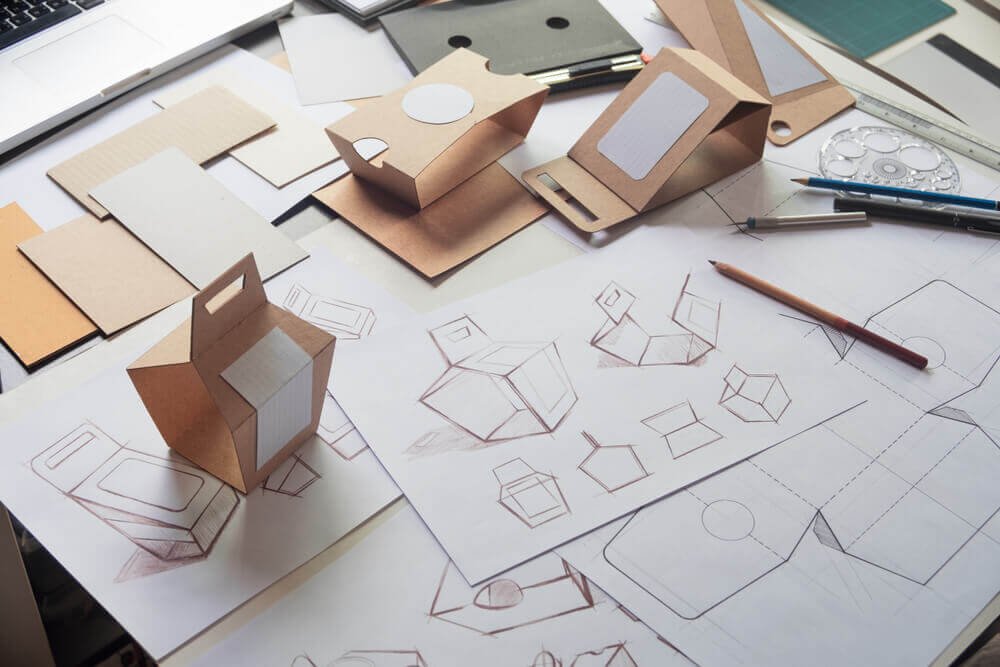
We develop the product across function, identity, ergonomics, materials and manufacturing, using standards that can travel across markets.
Includes:
Industrial and technical design ready for production
Materials and processes selected for the local context
Coordinated digital and physical design iterations
Value:
A coherent product definition that suppliers can execute
Prototyping near the project
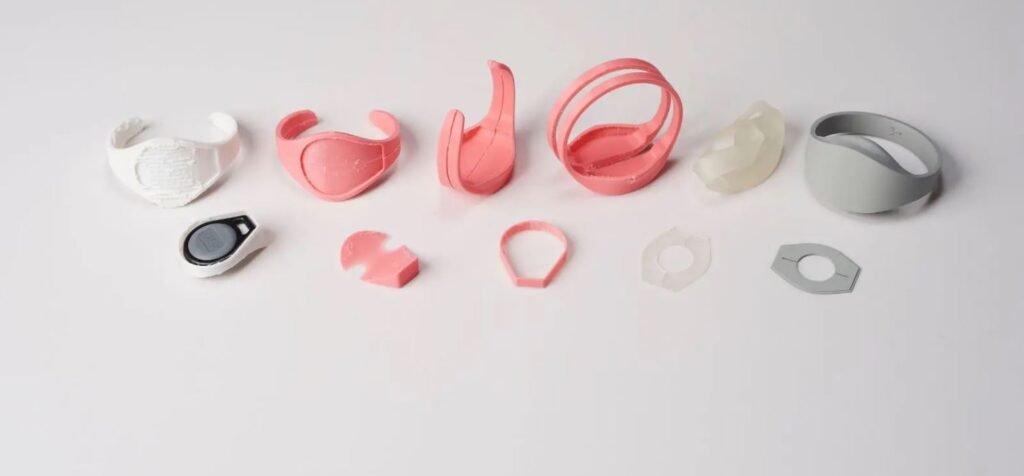
We coordinate functional and pre-production prototypes close to the client or intended manufacturing network, supporting shorter feedback cycles and reducing specific uncertainties.
Includes:
Physical prototypes for use and assembly testing
Technical documentation
Material specifications
Production standards
Value:
Local testing can support clearer decisions and the transition to production.
Local manufacturing coordination
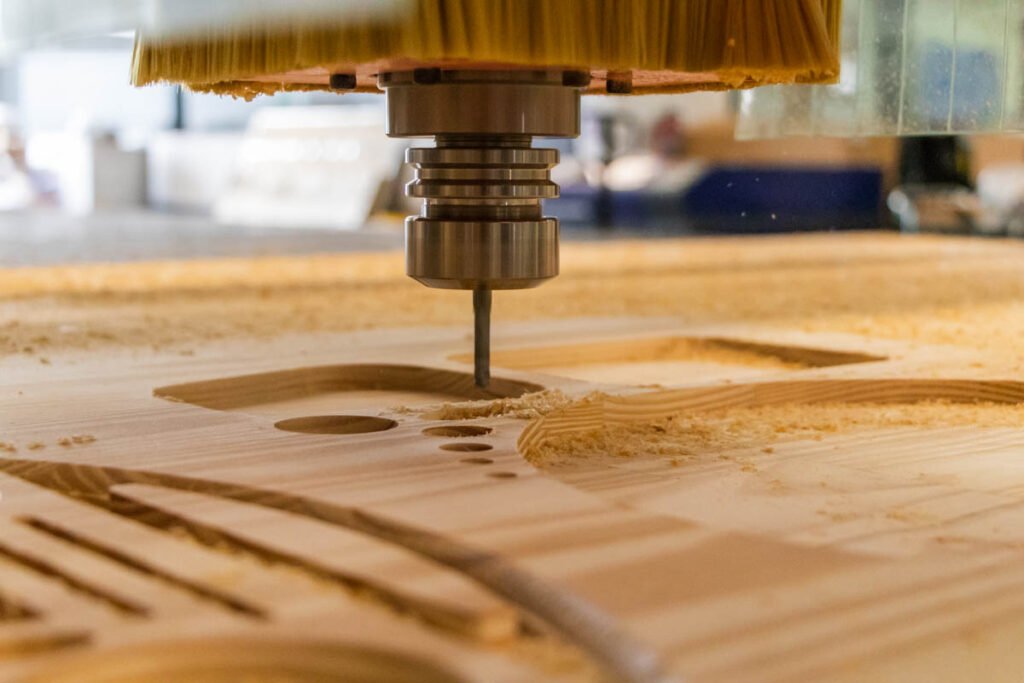
We identify and coordinate workshops, suppliers, tooling, quality controls and logistics according to volume, location and commercial objectives.
Includes:
Coordination with local workshops and suppliers
Cost, timing and process evaluation
Production planning and quality checkpoints
Value:
Production close to the market can improve responsiveness, traceability and logistics.
Why global design and local manufacturing work together
The model combines international capability with practical local execution:
What does this model enable?
The Órbita model connects international product strategy, design and engineering with local prototyping and manufacturing. One team coordinates the complete process so the final product remains coherent, viable and ready for its real market and production context.

Coordinating design and production across locations
The model begins with a shared product definition and separates global decisions from local variables. Function, user requirements and brand intent can remain consistent while materials, suppliers, tooling and logistics are evaluated for each production context.
Interfaces between teams
Version control, decision records and technical review points help prevent gaps between design, engineering and manufacturing. Supplier feedback is incorporated as evidence and checked against the requirements before a change is approved.
When local manufacturing is appropriate
Local production can be useful when transport, lead time, service, customisation or regional sourcing are important. It is not automatically the best route: quantities, investment, quality capability and component availability must also be compared.
Quality criteria and verification
Critical dimensions, materials, finishes, assembly and inspection points are documented according to the process. Samples or pilot batches may be used to evaluate the production route before a wider commitment.
Global design and local manufacturing FAQ
Does the model eliminate logistics?
No. It helps evaluate where production and sourcing should occur; components or specialised processes may still cross borders.
Can Órbita coordinate more than one supplier?
Yes, when the scope requires it. Responsibilities, interfaces and quality checks are defined for each participant.
Insights & Industrial Thinking
Methods, technical decisions and practical learning for developing physical products.
INDUSTRIAL DESIGN
From Idea to Product: Decisions That Change During Development
Technical decisions become useful when they are connected to requirements, evidence and the intended manufacturing context.The problemProduct development is often shown as a straight line. In practice, new…
READ MORE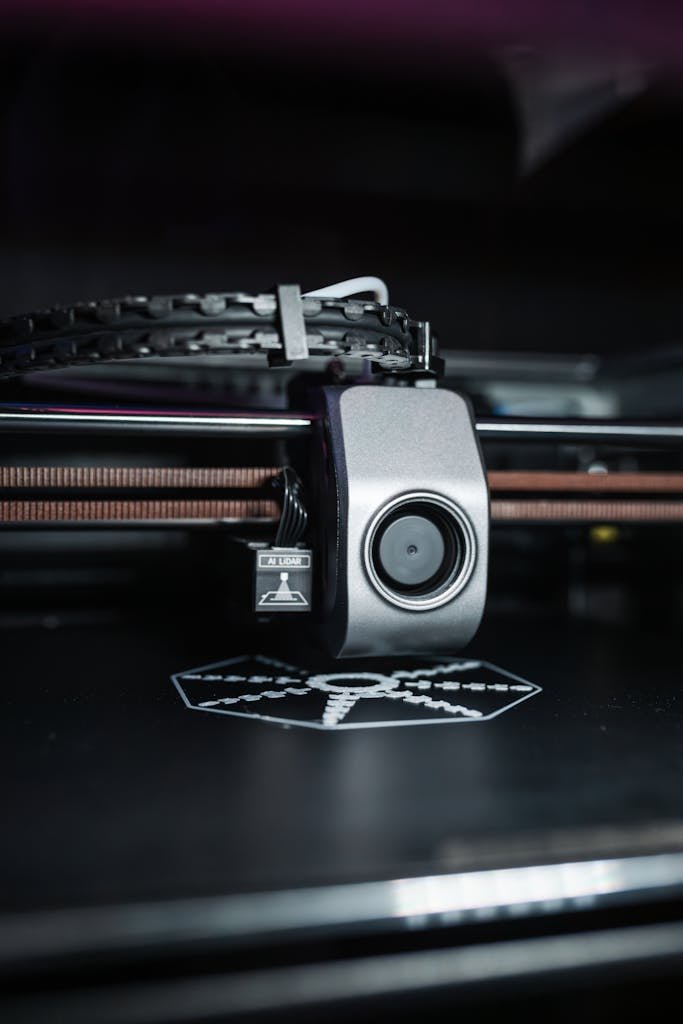
INDUSTRIAL DESIGN
What to Decide Before Modelling a Product in 3D
Technical decisions become useful when they are connected to requirements, evidence and the intended manufacturing context.The problemDetailed 3D modelling can make an unresolved concept look finished. If architecture,…
READ MORE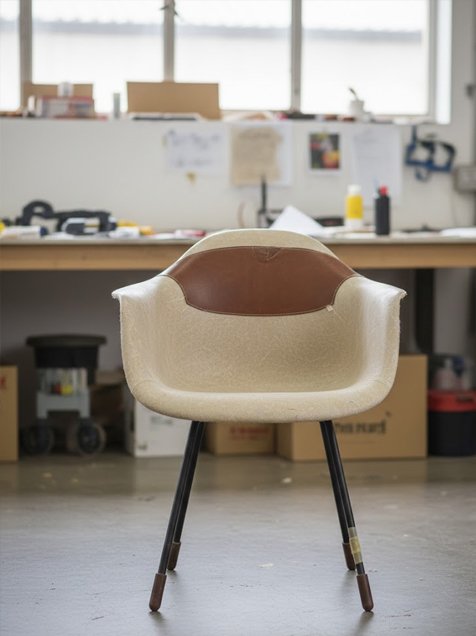
INDUSTRIAL DESIGN
How to Turn a Need into Product Requirements
Technical decisions become useful when they are connected to requirements, evidence and the intended manufacturing context.The problemStatements such as “easy to use”, “robust” or “affordable” are useful intentions…
READ MOREINDUSTRIAL DESIGN
When to Modify, Simplify or Discard a Product Solution
Technical decisions become useful when they are connected to requirements, evidence and the intended manufacturing context.The problemContinuing with the first concept can consume time and investment even when…
READ MOREINDUSTRIAL DESIGN
How to Compare Technical Alternatives Before Manufacturing
Technical decisions become useful when they are connected to requirements, evidence and the intended manufacturing context.The problemTeams often compare options by unit price alone. That hides tooling, lead…
READ MOREINDUSTRIAL DESIGN
What to Study Before Investing in a Product
Technical decisions become useful when they are connected to requirements, evidence and the intended manufacturing context.The problemAn attractive concept can still depend on an unsuitable process, unavailable component…
READ MORE