What a Prototype Should Validate Before Manufacturing
Technical decisions become useful when they are connected to requirements, evidence and the intended manufacturing context.
The problem
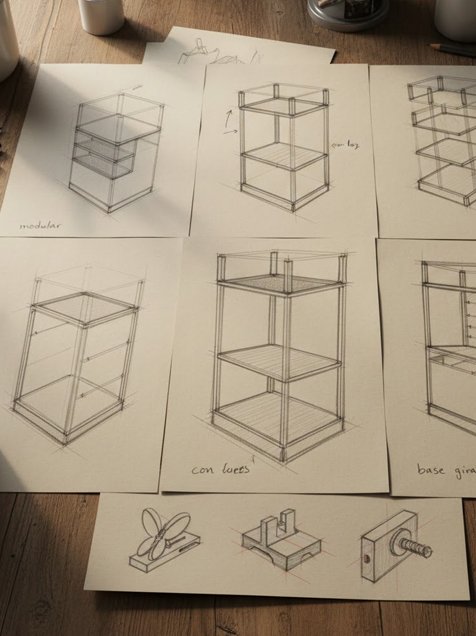
A prototype can generate false confidence when its appearance is mistaken for proof of manufacturability. Before spending on tooling or a production batch, the team needs to know exactly what has and has not been validated.
Context and analysis
Useful validation may cover user sequence, ergonomics, dimensions, mechanisms, interfaces, assembly and maintenance. Material behaviour, lifetime, regulation and process capability require their own evidence and may need different samples or tests.
Questions to resolve
- What requirement or risk drives the decision?
- Which variables must be represented?
- What evidence is sufficient for the next stage?
- Which assumptions remain open?
Alternatives
Compare more than one route whenever the decision affects architecture, process or investment. A lower-detail test, standard component or staged launch may provide better evidence before committing to a final configuration.
How Órbita approaches it
Translate risks into questions, define acceptance criteria, plan the test, control relevant variables, observe failures, document results and prioritise the next iteration.
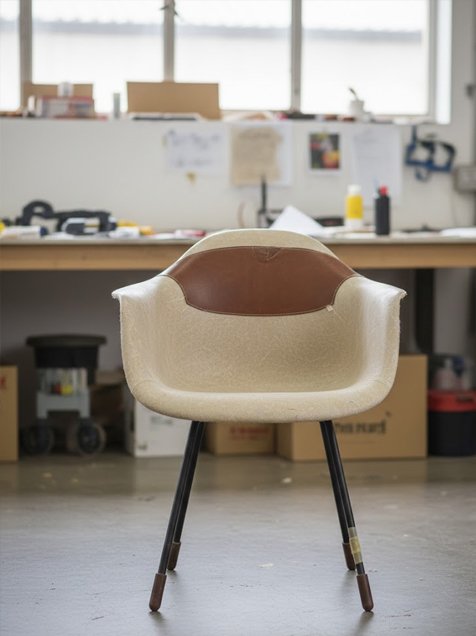
Educational example
Educational example, not a client case. For a hinged enclosure, the test focuses on opening force, cable clearance and repeated assembly. It reveals interference near the connector. The geometry is adjusted and tested again before discussing the final process.
Result of the analysis
The result is a documented decision and a clearer next step. Depending on the evidence, that step may be to advance, modify, simplify, divide the project into stages, change process or discard an alternative.
FAQ
Does this analysis guarantee manufacturing success?
No. It reduces uncertainty for a defined decision; later stages still require appropriate tests, supplier validation and documentation.
When should suppliers participate?
When process capability, quantities, tooling, lead time or components materially affect the decision.
Explore Product Development, Product Feasibility, Prototyping and Design for Manufacturing.